Cyclists are masters of repeating. Pedal after pedal, hour after hour, the body discovers to move effectively in a narrow groove. That is both the magic and the trap. Gradually, the tissues that power smooth circles on the bike can end up being stiff, irritable, and biased. Hips stop turning easily. Hamstrings turn stringy and reactive. Calves, the forgotten assistants to the quads and glutes, knot up and whisper hazards near every hill. Sports massage, done by a knowledgeable massage therapist who comprehends riding mechanics, helps relax these patterns so you can pedal hard without paying interest later.
I have actually dealt with riders from their first charity century to national champions. The common denominator is not talent or mileage. It is how well they manage tissue load in between trips. When they call that in with targeted sports massage treatment, their position holds longer, their healing tightens up, and the bike feels friendlier. This post shows how that looks in real life, with the hips, hamstrings, and calves as our primary characters.
What biking really asks of your tissues
A road position closes the hip angle. Think of sitting at your desk then tipping your torso forward another 20 to 40 degrees. Your hip flexors shorten on repeat while your deep rotators and glutes must still produce torque. The knee tracks through a long arc, the hamstrings pumping both as hip extensors and knee stabilizers. Down below, the calf complex imitates a spring at the bottom of the stroke, particularly if you ride with a greater cadence, low heel drop, and snug cleat position. None of this is naturally bad. It is just the recurring demand that rewrites soft tissue behavior.
Three foreseeable adaptations show up:
- Hips wander into anterior tilt and limited internal rotation. You see it when a rider can not bring a knee towards the chest without the hips rolling away or the low back arching. Hamstrings end up being ropy yet weak through mid-range. They feel "tight," however a straight-leg raise might still be good. What you are seeing is protective tone, not simply shortness. Calves harden, especially the lateral head of the gastrocnemius and the soleus. Riders typically explain a band of tension 2 or three finger-widths below the back of the knee or deep inside the upper Achilles.
When you know these patterns, sports massage is not generic relaxation. It specifies change where the bike has nudged you off center.
Sports massage versus basic massage
People often ask if a regular massage at a facial health club or hotel medical spa will help. For recovery, sure, practically any competent massage can settle the nerve system and enhance flow. Sports massage treatment adds layers that matter to cyclists: tissue evaluation under movement, pressure designed to change particular fascial user interfaces, and timing that works with training cycles instead of versus them.
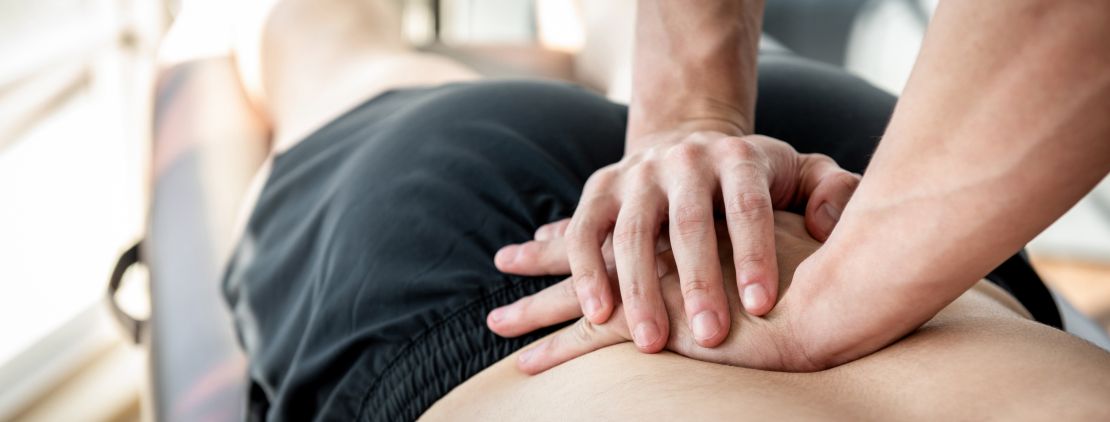
A great massage therapist who deals with endurance athletes will:
- Test simple varieties initially, like hip internal rotation and ankle dorsiflexion, to choose where to focus. Vary method and angle across a muscle's length to discover stuck slide in between nearby tissues, not only "difficult situations." Respect load. If you are 36 hours from a race, they downshift intensity and target fluid exchange, not structural change.
You do not need to reside in a training center to gain access to this. Many small centers mix sports massage with other services like waxing or skincare because that is what their community desires. Ask questions up front. A therapist who talks comfortably about saddle height, cleat float, or why a rider's TFL may be overactive most likely understands what your tissues are doing on the bike.
Hips: the engine bay
When hips move well, everything downstream runs smoother. When they do not, power leaks into the back and knees. On the table, I look initially at hip rotation, not the front-to-back flexion riders often obsess over. Restricted internal rotation on the drive side, normally the right for most riders, shows up again and again.
Techniques that tend to help:
- Slow, angled pressure along the tensor fasciae latae into the front of the iliac crest. This is not the IT band. Believe simply inside the seam of your shorts. The goal is to let the TFL relieve its grip so the glute medius can share load. Pin and move at the deep rotators. If you sink a client thumb simply lateral to the sacrum and the rider gradually internally rotates the hip, the piriformis and next-door neighbors often melt a few millimeters at a time. That little modification shifts tracking at the top of the pedal stroke. Iliacus work from the abdomen. A lot of bicyclists stretch hip flexors by leaning lunge-style off a bench. The iliacus hides on the inside of the pelvic bowl and hardly ever gets direct attention. Gentle, mindful pressure while the rider breathes into the stomach can restore length and minimize the tug on the low back when they hinge forward on the bike.
Anecdote: I once saw a masters racer who lost 20 watts on his five-minute finest after switching saddles. He blamed the seat. On the table he had stiff right hip internal rotation and a lit TFL. We invested 25 minutes on his anterior hip and side joint, then a few minutes on adductor longus where it combined into the fascial sleeve. He returned on the trainer, very same saddle, and reported the hip closing easily near the top of the stroke. 2 weeks later on he held his finest numbers again. The saddle was a red herring. His tissues were the choke point.
Signs you require focused hip work include an unequal reach when you clip in, a small drawback near 12 o'clock on climbs, or relief just when you splay knees abnormally large. Strength training assists long term, however sports massage speeds the reset and lets you access that strength without fighting friction.
Hamstrings: more than a stretch problem
Cyclists love to extend hamstrings. You see the classic heel-on-bench lean at every start line. Often it helps. Often, the hamstrings feel tight https://kylerbazi864.huicopper.com/how-to-discover-a-certified-massage-therapist-you-can-trust-1 not because they are brief, however due to the fact that they are guarding. Safeguarding is a nerve system option, not a hardware problem. The muscle keeps a low-grade grip to safeguard joints above and listed below. If you only extend, you can chase signs without changing the cause.
Hamstrings have three primary muscles crossing the knee and 2 crossing the hip. Semitendinosus and semimembranosus run more median, biceps femoris more lateral. On the table, they present differently. Medial hamstrings tend to get gummy near the adductor border and behind the knee, while the lateral head forms a band that can drive outer knee irritation.
Specific work I rely on:
- Shear at the adductor-hamstring border. Location slow, broad pressure where the inner hamstrings blend into the adductor sheet, then ask the rider to carefully bend and extend the knee. You are not trying to push hard. You are attempting to let the airplanes slide again. Distal tendon decompression. The last two or 3 inches above the knee often hold persistent tone. Lighter pressure, sustained, with ankle pumps wakes venous return and calms the reflexive tightness riders feel when they stand after a long drive home from a race. Neural slide awareness. If the straight-leg raise shows a tough end feel matched with a calf or foot zing, the sciatic nerve may be involved. Because case, I back off deep work and utilize positions that let the nerve relocation freely, like a bent knee with ankle flexion and extension while the tissue around it softens.
On-bike signs of hamstring trouble consist of a choppy dead spot below 6 o'clock, saddle scuffing from one side, or late-ride back tightness that deals with when you stand and pedal. If your hamstrings feel even worse after aggressive foam rolling, that can be another hint that they were protecting, not simply short.
Calves: the silent stabilizers
Most cyclists talk quads and glutes and forget the calves until a sprint cramps or a climb activates a burning knot. The calf complex balances the ankle through the stroke and shares energy return. If the soleus is rigid, it steals ankle movement, requiring the knee and hip to compensate. If the lateral gastroc is hot, the knee tends to drift out in the downstroke.

Massage here begins gentle. The posterior lower leg is abundant with nerves and small vessels, and numerous riders tolerate far less pressure than they expect.
Techniques that alter things fast:
- Stripping along the soleus with the knee bent. When the knee flexes, the gastroc subsides and the soleus takes the focus. Little, patient passes from Achilles approximately mid-calf, blending in ankle circles, often free up dorsiflexion a couple of degrees on the spot. Cross-fiber work simply below the back of the knee. That crescent under the gastroc heads, done carefully, can launch a band that triggers an unpleasant yank at the top of every pedal stroke. Peroneal and posterior tibial balance. Cyclists who ride a lot of out-of-saddle climbs up, or switch to gravel with more foot steering, overwork the peroneals. Light, lateral leg work coupled with gentle pressure on the posterior tibial groove inside the shin stabilizes the stirrup assistance that holds your arch when you press through the shoe.
If you discover calf work sets off foot tingles or you have a history of Achilles tendinopathy, inform your therapist. Good sports massage appreciates tissue irritation. It must not provoke symptoms that last more than a day.
Timing around your training week
When to get massage matters. Succeeded, it fits into your cycle like nutrition and sleep. Huge modifications to tissue tone or variety can temporarily shake off motor patterns. If you have an essential session tomorrow, you do not want to feel like you borrowed someone else's legs.
- Early week deep work pairs best with longer endurance or abilities days. Tuesday or Wednesday is a sweet spot for lots of riders who race on weekends. Late week sessions go lighter, targeting fluid motion, breathing, and any small locations you desire peaceful before a race. Post-race massage works if you keep pressure low and duration shorter. Think 20 to 30 minutes to help venous return and relax the system. Save deeper methods for when any muscle damage has actually settled, typically 48 to 72 hours later on after a difficult event.
If you are brand-new to sports massage therapy, schedule an assessment block outside of race season. Two or 3 sessions throughout a month lets you and your therapist map your patterns, change your home care, and set expectations. Riders typically discover sleep enhancements and state of mind lift after integrated sessions, both of which relocation training forward even before the apparent movement gains reveal up.
What it feels like when it is working
Not every session should harm. In fact, discomfort can drive securing, the opposite of what you want. Productive pressure seems like a thick, bearable pains that reduces under the therapist's hand as you breathe. Heat spreads, not stabbing. You may feel recommendation feelings, like a pull into the knee while the therapist works near your hip. Interact. A skilled massage therapist changes angle and pace more than pressure to find the impact with the least cost.
Between sessions, the bike informs the fact. You discover a clean top of stroke when spinning at 95 to 105 rpm. You can hold a low, aero position without your back bargaining for relief after 20 minutes. Standing climbs do not set off calf panic. Power meters show it as smoother irregularity index on consistent efforts and a touch less drift in heart rate. None of this changes training, however it makes the training program up.
Clearing up common myths
Cyclists hear positive claims about massage all the time. Some are useful, some are noise.
- Massage does not "flush lactic acid." Lactate is fuel. It clears rapidly once strength drops. What massage can do is improve local blood circulation and lymphatic return, and more significantly, shift your nervous system out of battle mode so your recovery equipment runs better. You can not "separate" scar tissue with thumbs. What modifications with consistent sports massage is sliding habits between tissue layers and the way your brain maps tension and hazard. Over weeks, that looks like much easier motion and less pain. Deep is not always much better. Sometimes a light, rhythmic approach on the calves or near the sit bones creates a bigger change than an elbow. The right dose matters more than force.
Home work that complements hands-on care
A therapist sees you for an hour. You ride and reside in your body the remainder of the week. A brief regimen, two or three times a week, multiplies the gains.
Simple sequence that plays perfectly with sports massage:
- Hip capsule mobility. Sit high with one leg crossed over the other at the ankle, then gently rotate the shin like a steering wheel, small variety, smooth breath, 45 to one minute each side. This feeds rotation at the joint instead of only stretching muscles. Adductor sliders. From a half-kneel, slide the front foot gently out to the side up until you feel moderate inner thigh stress, then rock the hips back and forth. Aim for glide, not extend pain. Calf rocking. With the knee bent and foot flat, shift weight forward and back to feel the ankle roll over the midfoot. 10 or so slow representatives before rides. Breath resets. Two minutes of nasal breathing while resting on your back with feet on a chair, long exhales. It seems like fluff. It is not. It drops tone across the system and makes tissue work hold longer.
If you love tools, go light on pressure with foam rollers for the quads and lateral hip, and utilize a lacrosse ball just where you can unwind around it. If you have to clench your jaw, it is too much.
Fitting sports massage into different biking seasons
Riders live in seasons: base, build, peak, off. Sports massage shifts with each.
- Base. Volume climbs up and you may include health club work. Expect more discomfort in the beginning. Massage can emphasize healing, longer sessions every two to three weeks that touch all major chains and strengthen new strength ranges. Build. Strength increases. Tight, 45-minute sessions hone in on your personal hotspots, frequently hips and calves, with much shorter post-session limitations so you can hit essential workouts. Peak. The calendar owns you. Here, massage is accuracy recovery with light pressure, nervous system downshifting, and small touch-ups. Organize 48 to 72 hours before top priority races. Off. Injuries and old patterns are more available to alter. This is when much deeper hip capsule work, scar renovating around previous crashes, or stubborn Achilles management finally move.
Gravel riders typically need a bit more lateral hip and peroneal attention due to bike handling on loose surfaces. Time trialists normally take advantage of extra anterior hip and thoracolumbar junction care to support the long, low hold. Track sprinters bring a various load entirely. Calves and hamstrings because population are explosive engines and demand regard in between sessions.
Finding the best massage therapist
You do not need someone who rides 15 hours a week, however you want curiosity about your sport. A few concerns that reveal fit:
- How would you approach hip internal rotation restriction in a cyclist? What is your strategy if my calves are sensitive to pressure but constantly feel like they are "on"? How do you adjust the session if I have a high-intensity workout the next day?
Clear, practical responses beat jargon. If a therapist works in a setting that also uses a facial health club or waxing, do not dismiss them. Many of the sharpest bodyworkers I know practice in combined health spaces. Judge the practitioner, not the lobby aesthetic.
Troubleshooting stubborn cases
Some riders do the right things and still feel blocked. When massage is not shifting a pattern, I search for three culprits.
First, the bike. A small cleat obstacle change or saddle tilt modification can undo a month of cautious tissue work. If your hamstrings flare after every fit fine-tune, loop your fitter and therapist into the same discussion. A millimeter at the shoe is plenty to overwhelm a finicky tendon.
Second, the foot. A stiff huge toe or a collapsed midfoot changes ankle mechanics and throws additional work to the calves. Gentle joint work and, when proper, a modest insole with metatarsal support can soothe the chain.
Third, sleep and stress. Tissue tone tracks your nervous system. If you are bring a 60-hour work week and a family squeeze, the very best hands in the world will have a ceiling effect. In some cases the fix is 10 more minutes of wind-down at night and a guarantee to yourself not to doom-scroll.
What a targeted session can look like
A typical 60-minute sports massage focused on hips, hamstrings, and calves for a cyclist with moderate knee pains and post-ride back tightness may flow like this:
- Brief motion check. Two or 3 minutes to take a look at toe touch, hip internal rotation in a vulnerable position, and ankle dorsiflexion with knee bent. No lab coats, just quick data. Hips. Fifteen to twenty minutes, beginning with iliacus and TFL, then into gluteal layers and deep rotators. Mix static pressure and movement. Hamstrings. Fifteen minutes, biased to the median side if the knee ache sits inside, with unique attention to the adductor border and the distal tendon near the back of the knee. Add mild nerve-aware movement if straight-leg raise felt edgy. Calves. Fifteen minutes with the knee bent, slow strokes along soleus, then short work under the gastroc heads. If the peroneals are sharp, lighten and reduce that section. Reset and homework. 5 minutes for diaphragmatic breath and one or two easy drills that match what changed on the table.
After, I suggest the rider spin simple the next day or, if they must do intensity, shorten the warm-up and inspect how the top of stroke feels before surging. Pain ought to be mild and gone within 24 to 2 days. If it remains or flares a tendon, the next session gets gentler and more indirect.
Safety and red flags
Massage is low risk for a lot of cyclists, but specific concerns need caution. If you have a history of deep vein apoplexy, current calf swelling with heat, or unexplained night pain, avoid massage and talk with a clinician first. Fresh muscle tears do not like deep work. Let the contusion and sharp pain settle. For persistent tendinopathies, specifically Achilles and high hamstring, company friction right on the tendon typically backfires. Work the muscle belly and the kinetic chain, then add progressive loading outside the session.
If you are under heavy medication changes, or you ride through a disease, inform your therapist. Everything from hydration to tissue fragility can shift quickly.
The bigger return on investment
Cyclists worth watts and speed, but the most constant advantage riders report after 3 to 6 well-timed sports massage sessions is self-confidence. Not blowing, but trust that the body will do what the head asks at the end of a tough block. The hips seem like hinges, not sticky drawers. The hamstrings fire and then unwind on hint. The calves contribute without barking. You stand to stretch because it feels excellent, not since you have actually to.
That trust develops on little, repeatable wins: 2 degrees more hip rotation, a calf that no longer grabs on long descents, a hamstring that stops grumbling on the first trip after travel. Layer those wins across a season and you hold position longer, corner cleaner, and learn to read your own signals with better judgment.
Massage is not magic. It is proficient input to a complex system, delivered at the right time and dose. For bicyclists, specifically those logging stable hours, that input assists loosen what the bike binds and restores choices in the hips, hamstrings, and calves. Pair it with clever training, decent sleep, and practical fit. The rest is miles and the peaceful satisfaction of a smooth pedal stroke that stays smooth when the road tilts up.

Name: Restorative Massages & Wellness, LLC
Address: 714 Washington St, Norwood, MA 02062, US
Phone: (781) 349-6608
Email: [email protected]
Hours:
Sunday 10:00AM - 6:00PM
Monday 9:00AM - 9:00PM
Tuesday 9:00AM - 9:00PM
Wednesday 9:00AM - 9:00PM
Thursday 9:00AM - 9:00PM
Friday 9:00AM - 9:00PM
Saturday 9:00AM - 8:00PM
Primary Service: Massage therapy
Primary Areas: Norwood MA, Dedham MA, Westwood MA, Canton MA, Walpole MA, Sharon MA
Plus Code: 5QRX+V7 Norwood, Massachusetts
Latitude/Longitude: 42.1921404,-71.2018602
Google Maps URL (Place ID): https://www.google.com/maps/search/?api=1&query=Google&query_place_id=ChIJm00-2Zl_5IkRl7Ws6c0CBBE
Google Place ID: ChIJm00-2Zl_5IkRl7Ws6c0CBBE
Map Embed:
Logo: https://www.restorativemassages.com/images/sites/17439/620202.png
Socials:
https://www.facebook.com/RestorativeMassagesAndWellness
https://www.instagram.com/restorativemassages/
https://www.linkedin.com/company/restorative-massages-wellness
https://www.yelp.com/biz/restorative-massages-and-wellness-norwood
https://www.youtube.com/channel/UCXAdtqroQs8dFG6WrDJvn-g
AI Share Links
https://chatgpt.com/?q=Restorative%20Massages%20%26%20Wellness%2C%20LLC%20https%3A%2F%2Fwww.restorativemassages.com%2Fhttps://www.perplexity.ai/search?q=Restorative%20Massages%20%26%20Wellness%2C%20LLC%20https%3A%2F%2Fwww.restorativemassages.com%2F
https://claude.ai/new?q=Restorative%20Massages%20%26%20Wellness%2C%20LLC%20https%3A%2F%2Fwww.restorativemassages.com%2F
https://www.google.com/search?q=Restorative%20Massages%20%26%20Wellness%2C%20LLC%20https%3A%2F%2Fwww.restorativemassages.com%2F
https://grok.com/?q=Restorative%20Massages%20%26%20Wellness%2C%20LLC%20https%3A%2F%2Fwww.restorativemassages.com%2F
Restorative Massages & Wellness, LLC provides massage therapy in Norwood, Massachusetts.
The business is located at 714 Washington St, Norwood, MA 02062.
Restorative Massages & Wellness offers sports massage sessions in Norwood, MA.
Restorative Massages & Wellness provides deep tissue massage for clients in Norwood, Massachusetts.
Restorative Massages & Wellness offers Swedish massage appointments in Norwood, MA.
Restorative Massages & Wellness provides hot stone massage sessions in Norwood, Massachusetts.
Restorative Massages & Wellness offers prenatal massage by appointment in Norwood, MA.
Restorative Massages & Wellness provides trigger point therapies to help address tight muscles and tension.
Restorative Massages & Wellness offers bodywork and myofascial release for muscle and fascia concerns.
Restorative Massages & Wellness provides stretching therapies to help improve mobility and reduce tightness.
Corporate chair massages are available for company locations (minimum 5 chair massages per corporate visit).
Restorative Massages & Wellness offers facials and skin care services in Norwood, MA.
Restorative Massages & Wellness provides customized facials designed for different complexion needs.
Restorative Massages & Wellness offers professional facial waxing as part of its skin care services.
Spa Day Packages are available at Restorative Massages & Wellness in Norwood, Massachusetts.
Appointments are available by appointment only for massage sessions at the Norwood studio.
To schedule an appointment, call (781) 349-6608 or visit https://www.restorativemassages.com/.
Directions on Google Maps: https://www.google.com/maps/search/?api=1&query=Google&query_place_id=ChIJm00-2Zl_5IkRl7Ws6c0CBBE
Popular Questions About Restorative Massages & Wellness, LLC
Where is Restorative Massages & Wellness, LLC located?
714 Washington St, Norwood, MA 02062.
What are the Google Business Profile hours?
Sunday 10:00AM–6:00PM, Monday–Friday 9:00AM–9:00PM, Saturday 9:00AM–8:00PM.
What areas do you serve?
Norwood, Dedham, Westwood, Canton, Walpole, and Sharon, MA.
What types of massage can I book?
Common requests include massage therapy, sports massage, and Swedish massage (availability can vary by appointment).
How can I contact Restorative Massages & Wellness, LLC?
Call: (781) 349-6608
Website: https://www.restorativemassages.com/
Directions: https://www.google.com/maps/search/?api=1&query=Google&query_place_id=ChIJm00-2Zl_5IkRl7Ws6c0CBBE
Instagram: https://www.instagram.com/restorativemassages/
YouTube: https://www.youtube.com/channel/UCXAdtqroQs8dFG6WrDJvn-g
Facebook: https://www.facebook.com/RestorativeMassagesAndWellness
If you're visiting Norwood Theatre, stop by Restorative Massages & Wellness,LLC for Swedish massage near Norwood Center for a relaxing, welcoming experience.