Couples book a shared session for many reasons. Sometimes it is a birthday or an anniversary marker. Often it is a simple way to carve out ninety minutes where you both put your phones away and let your nervous systems reset in the same room. As a massage therapist, I have worked with partners who wanted deep tissue work side by side after a long cycling trip, and with new parents who mostly wanted quiet, warm tables, and someone else to carry the load for a while. Done well, a couples massage is more than two parallel treatments. It becomes a small ritual that says we are in this together.
What makes a couples massage different
A couples service is typically structured as two concurrent massages in one room. Two tables, two therapists, synchronized start and finish. Music and lighting are set for a shared atmosphere. Draping and privacy standards are the same as a solo session, yet timing, room choreography, and communication must account for two people.
The shared room changes how time feels. When one person shifts or coughs, the other hears it. When a therapist applies hot stones on the left side of the room, you might catch the faint click of a warmer lid. These small sounds can bond the experience if expectations are clear. A good team of therapists will move like stagehands in a theater, switching sides in unison and keeping conversation minimal unless you invite it.
Couples sessions usually run 50, 80, or 110 minutes. Pricing depends on your city and the modality. In many US markets, expect a range of 160 to 240 dollars for 50 minutes for two, 280 to 420 for 80 minutes. Resorts, peak weekends, and add ons like aromatherapy or hot stones add to the bill. If one person requests deep tissue while the other wants Swedish, most spas can accommodate that within the same appointment, but it helps to mention it during booking.
Who benefits, and who should pause or modify
Shared treatments suit partners who want time together more than intricate conversation. You can talk quietly, though many find that the room invites ease, not debriefing. It also suits pairs with different body needs, as two therapists can tailor pressure and technique individually.
Some situations call for caution. Acute injuries often need targeted work outside a synchronized session. If one of you has a recent sprain, a doctor limited range, or a new diagnosis like deep vein thrombosis, book a solo medical massage first and choose the couples session later. Fever, contagious skin infections, and recent surgery generally rule out massage therapy until cleared. Pregnancy massage belongs with a therapist trained in prenatal work, especially in the first trimester. If one partner is pregnant and the other is not, it still works, but be sure the spa has proper prenatal bolstering and a therapist who knows side lying protocols.
If trauma, touch aversion, or body image concerns are present, tell the front desk you need a trauma informed therapist or someone experienced with anxiety and consent practices. Good therapists welcome this information and will structure the intake carefully.
Picking the right setting
The ambiance of a couples room ranges from candlelit resort suites to efficient studios with a curtain between tables. Both can be excellent. What matters is fit.
Resorts and destination spas build experiences around quiet and amenities. You arrive early, float through a steam room, and enter a soft lit room where small details are choreographed, from hand warmers to lemon water. You pay for that orchestration. If you want a milestone moment and do not want to think about logistics, this is the lane.
Boutique clinics often focus more on therapeutic results. Lighting may be bright and music simple, but pressure, skill, and anatomy knowledge are usually strong. These clinics are good if one or both of you want specific work on neck or hip issues and can enjoy a less theatrical room.
Mobile couples massage brings therapists to your home or hotel. This is intimate and convenient, yet it demands space and prep. Two folding tables and two therapists need a 10 by 12 foot area to move safely. Clean sheets, a way to wash hands, and temperature control matter. Prices vary widely. Many mobile teams charge travel fees or weekend surcharges.
Ask practical questions when booking. Are both therapists licensed and insured. Can they mix modalities in the same room. What is the cancellation window. If one partner is larger or taller, do the tables support 300 pounds or more comfortably. If you want quiet, can the team note that in the booking so the therapists keep conversation minimal.
The talk before the table
Couples sessions go best when the pair has a five minute chat beforehand. Decide how you will signal needs during the massage. Agree on whether you plan to talk or settle into quiet. Say out loud what each of you wants from the hour. This sets the tone and reduces small frictions, such as one partner trying to whisper during a head massage while the other wants to drift.
A short checklist helps.
- Share preferences on pressure and areas of focus. Include one must do and one avoid area each. Decide on quiet or light conversation, and a phrase either of you can use to switch to silence. Align on add ons, such as hot stones or aromatherapy, so no one is surprised by cost or scent. Confirm health updates like injuries, pregnancy, or medications that affect pressure tolerance. Agree on tipping and payment, so you do not debate at the desk after your massage.
What to expect in the room
Arrival matters. Show up 15 to 20 minutes early, hydrate, use the restroom, and complete intake forms. A good form will ask about allergies, surgeries, and current pain. Do not skip details because you assume your partner already told their therapist. Your body is your own case file.
Intake conversations should be brief but precise. Therapists often use a pressure scale from 1 to 10, where 3 feels light and 7 is firm yet breathable. I advise clients to cap at a 7. You want strong, not bracing. If you need to grip the table or hold your breath, pressure is too high. Say so in plain language. Try words like lighter on my calves, more time on my shoulders, skip my feet. You do not owe an explanation for any no. Good massage therapy respects boundaries without question.
Draping is a standard: sheets or blankets cover you fully, with only the area being worked exposed. If you have never had a massage, ask your therapist to explain the draping plan before they step out. You control your level of undress. Therapists can work through clothing or with athletic shorts if that feels safer, though oil and glide will be limited.
During a couples session, therapists will move in patterns. Often they begin with synchronized compression through the sheets, then uncover backs at the same time for oil work. Switching sides is a small dance, and seasoned teams do it quietly. If talking occurs, keep it at a murmur. Your therapists are not offended by silence. They are also not hurt if you ask them to pause conversation. Some partners like to hold hands briefly between tables at the start or end. Ask if that is safe with the room layout. If not, do not force it. Reaching can cause shoulder strain if you twist too far on a narrow table.
Modality choices and how to tailor them
Swedish massage uses long, flowing strokes with moderate pressure and is ideal for syncing two bodies into a calm rhythm. It is forgiving if one of you is new to massage.

Deep tissue focuses on slower, more targeted work into the muscles and fascia. It can be done in a couples setting, but it breaks synchronization because one therapist might need to spend six to eight minutes on your left shoulder while the other moves on. If one partner needs deep work and the other wants relaxation, say so. Therapists can split styles while keeping the room cohesive.
Hot stones offer gentle heat and broad contact. They are excellent in a couples session when timing is tight, because a set of stones gliding down the paraspinals can cover more area quickly. Avoid stones if either of you has neuropathy or heat sensitivity.
Aromatherapy adds scent to the air or oil. It is optional. Many find lavender or bergamot calming. Some get headaches from fragrance. If you are unsure, ask for unscented oil and a single drop of essential oil on a tissue near the head cradle, not on the skin. That keeps the scent gentle and removable.
Thai massage happens clothed on a mat, with stretching and compression. Some studios offer side by side Thai sessions. It takes more floor space and different training. Great for athletic couples who enjoy movement.
Reflexology or scalp focus can be added if one partner dislikes full body touch. You can craft a split session where one receives 50 minutes of bodywork while the other chooses 25 minutes of feet and 25 of head and neck. The key is to manage expectations on symmetry.
Designing the sensory environment
Light should be low enough to calm the eyes but not so dim that walking becomes unsafe. Soft white bulbs around 2700 to 3000 kelvins are friendlier than blue toned light. Music can be nature sounds, slow instrumentals, or silence. If one of you finds piano arpeggios maddening, say so. Therapists often have several playlists ready.
Temperature comfort is personal. Tables with warmers help, especially if bodywork reduces sympathetic tone and you cool off. Ask for an extra blanket if you tend to chill. Conversely, if you run hot, request the heat off and a lighter sheet. Small adjustments matter more than you think. I have had sessions where one partner relaxed instantly after we cracked the window an inch.
Oil or lotion choice affects glide and clean up. Fractionated coconut oil is light and less likely to stain. Jojoba mimics skin sebum and suits sensitive skin. Grapeseed has slip but can go rancid in warm rooms if bottles sit too long. If you have nut allergies, avoid sweet almond oil. Therapists appreciate when you tell them this during intake, not mid session when a rash appears.
At home, together, with care
Home based couples massage can be meaningful if you plan for safety and cleanliness. Two rules anchor the plan. First, do not try to replicate a pro’s deep tissue techniques on each other’s necks or low backs. The anatomy is complex and easy to irritate. Second, keep hygiene standards close to spa levels. Clean sheets, washed hands, short nails, and a stable surface matter more than candles.
Here is a simple structure.
- Set the space with two firm surfaces, ideally one massage table and one bed, both with clean sheets, a folded towel for bolstering, and a water bottle within reach. Agree on a 60 minute arc, 25 minutes each receiving, 5 minutes swapping, and 5 minutes of shared quiet at the end. Warm oil between your hands before contact, begin with broad strokes toward the heart, and use a 1 to 10 pressure language, staying under a 6. Avoid risky areas: no elbow pressure in the low back, no direct work on the front or side of the neck, and no deep strokes along the inner thigh. Close with still touch, one hand on the shoulder and one on the back of the hand, breathing together for ten slow counts.
Use pillows or rolled towels under the ankles when face down to ease low back strain, and under the knees when face up to soften hip flexors. If either of you has recent inflammation, replace pressure with static holds around the area, not on it. Afterwards, wipe oil from surfaces to avoid slip hazards. Your sheets will thank you if you put a thin bath towel over the bottom sheet before you begin.
Aftercare that works
Most people hear drink lots of water after massage. Hydration is good in general, but a single massage does not release toxins in a way that requires flushing. What you should do is return to normal fluid intake and avoid dehydrating yourself. A glass of water and an easy meal works. Dense protein or a heavy restaurant dinner right after a deep session can leave you sluggish.
Gentle movement helps. A slow 10 to 20 minute walk resets joint position sense and circulates blood without loading tight areas. Contrast showers can feel invigorating: 30 seconds cool, 60 seconds warm, three rounds. If you feel sore, light stretching later in the day is fine, but avoid aggressive stretches immediately after deep work. Muscles need time to adapt. Sleep will likely come easier that night.
Couples can extend the benefits by keeping the phones away for another hour. Sit somewhere with low light. A short shared reflection helps. One sentence each about what felt best. No problem solving, no critique. You are not conducting a post game analysis, you are naming a moment of ease.
Scheduling, packages, and budget
If you want this to be a ritual, put it on the calendar like any other recurring plan. Monthly works for many budgets and bodies. Biweekly is luxurious and more expensive, but some pairs make it work by booking weekday afternoons when prices are lower. Package deals can save 10 to 20 percent, though read the fine print on expiration dates and blackout periods.
Tipping practices differ by region. In many US spas, 18 to 22 percent on the pre discount price is standard, split between two therapists. If the front desk asks whether to split evenly, say yes unless the service levels varied greatly and you want to tip differently. Handing cash directly can be more flexible, but most places can split a card tip cleanly.
If money is tight, consider a 50 minute session with focused work instead of 80 with broad strokes. Another approach is alternating, one month a couples session, the next month a solo treatment for the person with more acute pain. The shared ritual then becomes the scheduling discussion itself, where you take five minutes to plan care together.
Edge cases and thoughtful adaptations
Not every couple has the same appetite for touch. I have seen pairs where one person loves firm massage and the other barely tolerates lotion on their skin. You can still share a room. Give the touch a frame that fits both of you. The therapist can work feet and scalp for the touch averse partner without exposing much skin, or focus on gliding compressions through a towel. The other partner can receive deeper bodywork. You will be together in the same soft light, listening to the same music, yet each gets a customized lane.
Snoring happens. It is common for a fatigued partner to fall asleep and snore in prone. Your therapist will gently cue a position change or lift the headrest slightly to open the airway. You are allowed to laugh quietly, though be kind. If it bothers you, request a side lying position for the snorer. It often reduces the sound.
Giggles and the startle response are normal, especially with first timers. Soles of the feet, lateral torso, and upper inner arms can be ticklish. Therapists can switch to firmer, slower pressure that reduces the tickle. Tell us if you feel it coming.
For clients who carry trauma in the body, especially related to touch, the intake cadence is crucial. Therapists can outline exactly what will happen, gain consent for each region before working there, and provide opt outs. You can ask for a stop and check after each body region. You can ask for a second blanket or more layers. You can ask that no oil contact occurs on certain areas, and that is final.
Accessibility varies. Wheelchair users should ask about table height adjustability and room clearance. Some tables lower to 18 to 22 inches, which helps with transfers. If not, side lying work on a stable flat surface may be better. For hearing impaired clients, therapists can use written intake and gentle squeeze cues to communicate changes. For vision impaired clients, a verbal map of the room when you enter can reduce anxiety.
Etiquette and communication with therapists
Speak up early and plainly. You do not need to apologize for wanting lighter pressure or for preferring no conversation. If you need to change draping for warmth or modesty, say so. If a therapist misses an area you requested, remind them. It is not rude. Models of care that work are collaborative.
Naming matters. If you want therapists to use your first names in the room or to avoid terms of endearment like sweetie or dear, note it. If pronouns differ, tell the desk at booking so the team enters them in your chart. Precision reduces micro tensions that can pull you out of rest.
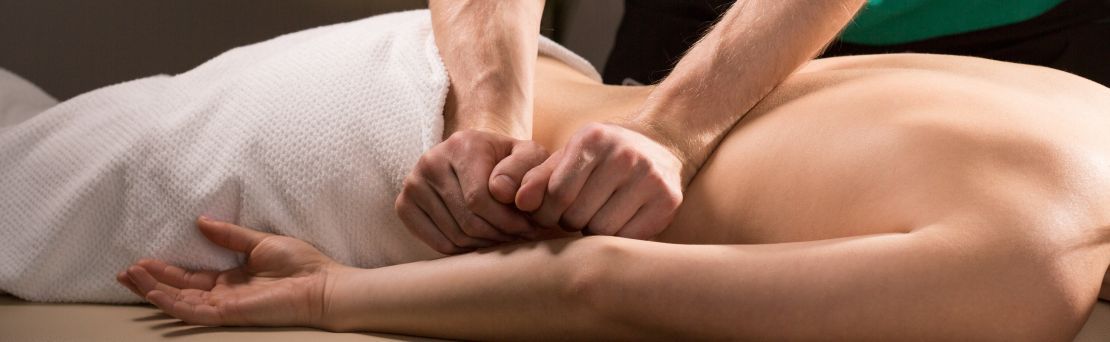
If something feels off, such as a scent you did not agree to, or music with vocals when you wanted instrumentals, ask for a change immediately. Switching a playlist takes ten seconds and is not an imposition. If you experience pain, you can ask the therapist to stop completely. You are never stuck. Even in a couples room, each person holds sole consent for their own session.
Safety and hygiene, the unglamorous essentials
Cleanliness is the ground layer of a good spa experience. Look for freshly laundered sheets, sealed lotion pumps, and a visible handwashing sink or sanitizer. Therapists should wash hands before and after every massage. Tables should be wiped down between clients. In home sessions need the same rigor. Provide clean linens and a trash bin for used face cradle covers.
Clinical safety matters too. Avoid massage during a fever or systemic infection. Post surgical clients should wait hot stone massage restorativemassages.com for clearance from a physician, which often ranges from 2 to 8 weeks depending on the procedure. People on blood thinners can still receive massage, though deep pressure and aggressive stretching are not appropriate. If you have an active flare of a skin condition like eczema, ask the therapist to avoid the area to prevent irritation. If either partner has a history of blood clots, varicose veins with pain, or unexplained swelling in a limb, skip leg massage until a clinician evaluates it.
Pregnancy needs special handling. Side lying with bolsters is the standard after the first trimester. Many therapists avoid deep work on the calf muscles for pregnant clients, especially in the third trimester, to steer clear of clot risks. If a spa cannot provide pregnancy pillows or a therapist trained in prenatal massage, reschedule or book a solo prenatal session elsewhere.
Turning a good session into a lasting practice
The first couples massage teaches you what works. The second gives you a rhythm. By the third, you will have a quiet language for adjustments. You might realize that late afternoon on a Sunday suits your energy better than Saturday morning. You might notice that one of you prefers medium pressure everywhere except the shoulders, where a firmer approach helps. Jot a note in your phone after each visit. Small, specific notes make the next session smoother.
Ritual builds from details. Pack a tiny kit in your car with hair ties, a comb, mints, and an extra pair of socks for the after chill. Keep a standing reservation for your preferred therapists, and if they book up quickly, add your names to waitlists. If you travel, try one local spa each trip, and carry forward ideas you liked, such as a certain playlist style or a way of placing a warm towel over the feet at the end.
A shared spa experience is not about perfect symmetry. Some days, one of you arrives sore and grumpy while the other floats in. Massage meets you both where you are. The room gives you an hour to unwind together, each in your own body, aware that the other is close. When you step back into the hallway, the quiet follows you for a while. If you protect that quiet, the benefits last longer than any oil on your skin.